FPGA 設計
FPGA(Field Programmable Gate Array), evolved from programmable logic devices such as PAL, GAL, and CPLD, offer distinct advantages over ASIC(Application-Specific Integrated Circuit). Unlike ASICs, which are application-specific and configured before leaving the factory, FPGAs can be reconfigured and reprogrammed through integrated circuit layout planning, allowing for flexible reuse of computing resources. As a type of semi-custom circuit in specialized application integrated circuits, FPGAs not only compensate for the deficiencies of fully customized circuits but also overcome the limitations of the limited number of logic gates in traditional programmable logic controllers. They allow for various connections and changes as per the designer’s needs to achieve the desired logic functions.
Advantages of FPGA
Programmability and Flexibility
Software engineers can customize development based on specific programming languages, meeting diverse needs. Changes in requirements can be addressed without hardware replacement, simply through software updates.
Parallel Synchronous Processing
FPGAs contain many programmable logic units that can operate simultaneously, providing efficient parallel processing suitable for data computation and digital signal processing.
Low Latency
FPGAs perform logic configuration directly through hardware, offering lower latency and faster response times compared to software algorithms, making them ideal for high-performance computing applications.
Cost-Effectiveness
Unlike ASICs, which require significant time, manpower, and money for validation and testing, FPGAs can be quickly tested using development boards during the design stage, substantially saving time and costs.
Long Life Cycle
Compared to standard chips whose life cycles are dictated by market demand, FPGAs typically offer product life cycles of over 20 years.
Flexible Task Adjustment
FPGAs can be dynamically adjusted based on end-user needs over time, avoiding the high costs associated with setting up multiple chip systems.
FPGA in Diverse Industrial Applications
Communication Systems
Digital Signal Processing
Video Processing
High-Speed Interface Design
Artificial Intelligence
IC Design
Other Industrial Applications
Portwell's FPGA-based Solution
Portwell Technology specializes in the manufacture of industrial-grade PCs and is dedicated to meeting a wide range of customer needs. Beyond traditional x86 PC systems, we are actively integrating FPGA technology to enrich product functions and diversity. Portwell Technology warmly welcomes collaboration proposals for customized FPGA development, looking forward to creating new application possibilities with you.
Gaming System Key Components
Using FPGAs to enhance processing speed and system security, ensuring the stable operation of gaming systems.
VPX Military Systems
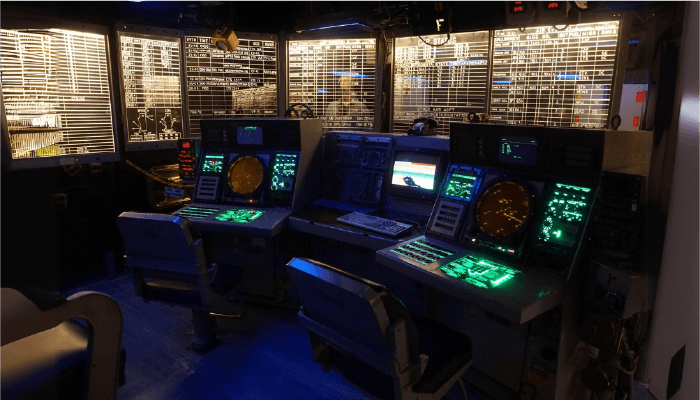
In military applications, the high reliability and flexibility of FPGAs ensure the realization of high-performance communication and control systems.
ATM System Components
FPGA technology in ATM systems provides efficient data processing capabilities, enhancing transaction security.
Peripheral Control Components in Machinery Systems
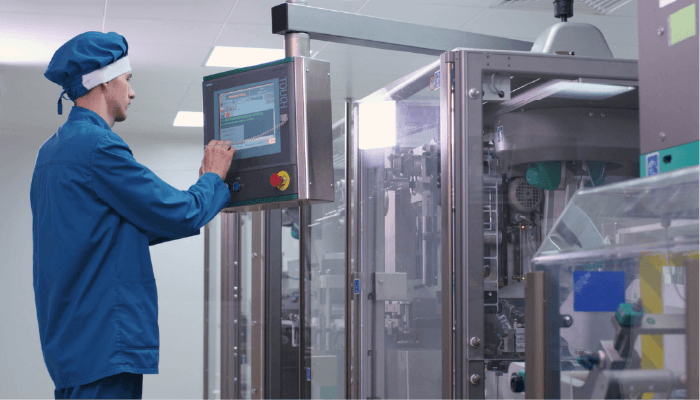
Enhancing the response speed and processing power of machinery systems through FPGAs, improving overall efficiency.
Data Center OCP System Debugging Components
FPGAs provide precise debugging functions in data centers, optimizing system performance.
Server Security Control Mechanisms and Power Control Components
Strengthening server security management, FPGAs play a key role in this area.